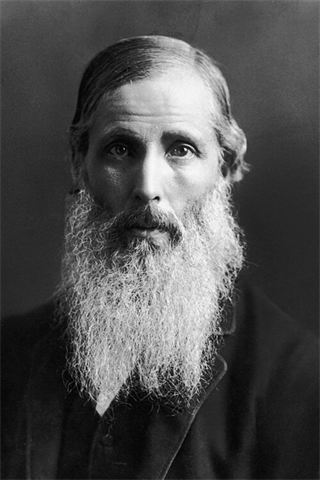
The author in one sentence
I hold that reason sees certain moral axioms as self-evident, above all that my own good counts no more than anyone else's.
Henry Sidgwick's view as we would sum it up in their voice. Our summary, not a quotation.
Where Henry Sidgwick leans
Spirit or matterBalanced
Spirit 50%Matter 50%
Facts: subjective or objectiveStrong · Objective
Subjective 20%Objective 80%
Values: subjective or objectiveVery strong · Objective
Subjective 5%Objective 95%
Individual or collectiveBalanced
Individual 50%Collective 50%
Reason or experienceStrong · Reason
Reason 80%Experience 20%
Inner life: real, or explained away by the brainStrong · Mind is real
Mind is real 70%Mind explained away 30%
Life: meaning, or none at allStrong · Life has meaning
Life has meaning 70%No meaning at all 30%
The good life: pleasure, or virtue and dutyVery strong · Pleasure is the good
Pleasure is the good 95%Virtue and duty 5%
What makes an act right: principles, or consequencesVery strong · Consequences
Principles 5%Consequences 95%
God: exists, or notBalanced
God exists 50%No God 50%
Method: logic and analysis, or lived experienceStrong · Logic and analysis
Logic and analysis 75%Lived experience 25%
Knowledge: we can know, or suspend judgmentLeaning · We can know
We can know 65%Suspend judgment 35%


And you, where do you stand?
Take the quiz and see how close you are to Henry Sidgwick.
Take the quiz