Mydianoia

Circles and rivalries

Philosophy was never done alone. Here are the circles that met, taught and argued together, the teachers and their students, and the camps that fought for centuries over one question. Each sits at the average of its members on this site.

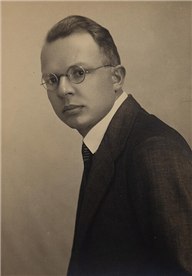
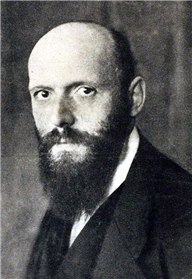
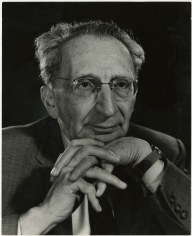
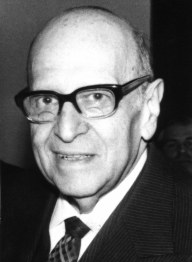
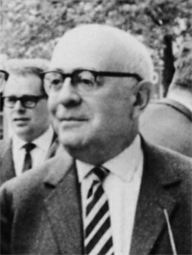
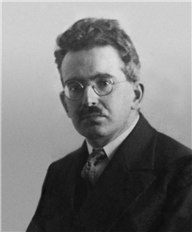
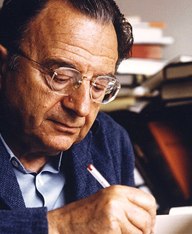
Portrait of Moritz SchlickPortrait of Rudolf CarnapPortrait of Otto NeurathPortrait of Herbert FeiglPortrait of Max HorkheimerPortrait of Theodor W. AdornoPortrait of Walter BenjaminPortrait of Erich FrommPortrait of Herbert Marcuse

Circles and movements

People who met, wrote and argued together, often in one city.
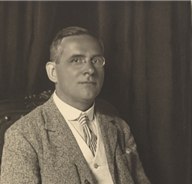
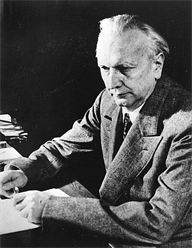
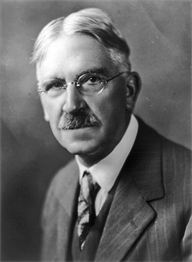
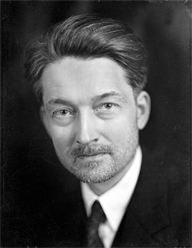
Portrait of Moritz SchlickPortrait of Rudolf CarnapPortrait of Otto NeurathPortrait of Herbert Feigl
The Vienna Circle1924–1936 · Vienna · 4 membersScientists and philosophers who met in Vienna to rebuild empiricism with modern logic: they looked for a test of when a sentence has meaning, and attacked metaphysics.
Portrait of Max HorkheimerPortrait of Theodor W. AdornoPortrait of Walter BenjaminPortrait of Erich Fromm
The Frankfurt School1923–1970s · Frankfurt, then New York in exile · 6 membersMarxist thinkers at Frankfurt’s Institute for Social Research, marked by the failed German revolution of 1918 and by Nazism, who wrote of how consumption and mass media held back a revolution of the workers.
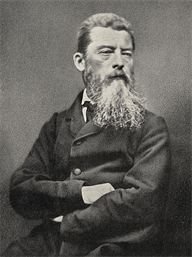
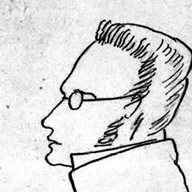
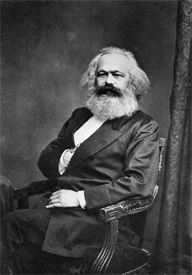
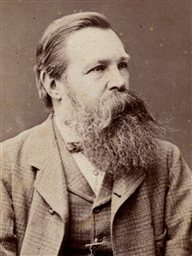
Portrait of Ludwig FeuerbachPortrait of Max StirnerPortrait of Karl MarxPortrait of Friedrich Engels
The Young Hegelians1830s–1840s · Berlin · 5 membersFollowers of Hegel after his death in 1831 who turned his philosophy against religion, and in Stirner’s case against the state too; Marx turned it toward communism.
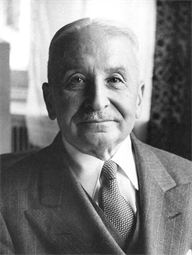
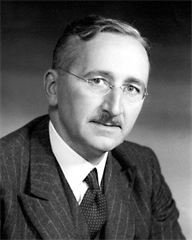
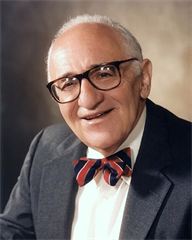
Portrait of Ludwig von MisesPortrait of Friedrich HayekPortrait of Murray RothbardPortrait of Hans-Hermann Hoppe
The Austrian School1871–today · Vienna, then New York and Auburn, Alabama · 5 membersEconomists who explain the economy from the choices of single people, and who hold that inflation is simply more money put into circulation.
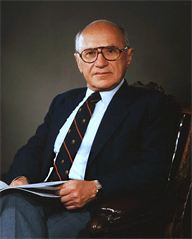
Portrait of Friedrich HayekPortrait of Ludwig von MisesPortrait of Milton FriedmanPortrait of Karl Popper
The Mont Pelerin Society1947–today · Mont Pèlerin, Switzerland · 11 membersEconomists, with some historians and philosophers, whom Hayek gathered in 1947 to argue against collectivism and resist state intervention in the economy.
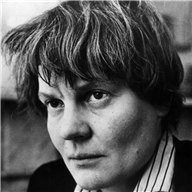
Portrait of G. E. M. AnscombePortrait of Philippa FootPortrait of Mary MidgleyPortrait of Iris Murdoch
The Oxford Quartet1938–1960s · Oxford · 4 membersFour women who studied at Oxford while many of the men were away at the Second World War, and who went on to change moral philosophy.
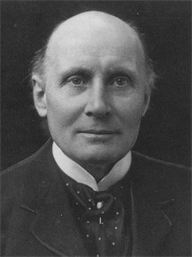
Portrait of Henry SidgwickPortrait of J. M. E. McTaggartPortrait of Alfred North WhiteheadPortrait of Bertrand Russell
The Cambridge Apostlesfrom 1820 · Cambridge · 9 membersA secret discussion society at the University of Cambridge, founded in 1820, with only twelve members at a time, who met weekly to discuss an essay one of them had written, on questions of philosophy, politics, ethics, governance and religion. Wittgenstein was admitted in 1912, resigned almost at once, and rejoined in the 1920s.
Portrait of Denis DiderotPortrait of Baron d'HolbachPortrait of Jean-Jacques RousseauPortrait of Voltaire
The Encyclopédistes1751–1772 · France · 6 membersThe writers of the Encyclopédie, a general encyclopedia published in France from 1751 to 1772 with signed articles by many contributors, edited from 1747 by Diderot, first with d’Alembert and from 1758 alone. They were not a unified group in ideology or social class, but many belonged to the philosophes and promoted science, secular thought and the tolerance of the Enlightenment.
Portrait of Francis HutchesonPortrait of David HumePortrait of Adam SmithPortrait of Thomas Reid
The Scottish Enlightenment1700s–early 1800s · Scotland · 4 membersAn outpouring of intellectual and scientific work in 18th- and early-19th-century Scotland. Its thinkers met in clubs such as the Select Society in Edinburgh, which Hume and Adam Smith helped form; Hutcheson, its first major philosopher, taught moral philosophy at Glasgow, and Reid, against Hume, formulated Common Sense Realism.
Portrait of Jean-Paul SartrePortrait of Simone de BeauvoirPortrait of Maurice Merleau-Ponty
The circle of Les Temps modernes1945–2019 · Paris · 3 membersThe editors of a Paris magazine that Sartre founded with Beauvoir, first published in October 1945, whose stated purpose was committed literature (littérature engagée). Merleau-Ponty resigned during the Korean War, having moved to the right as Sartre moved to the left, and the magazine’s review of Camus’s The Rebel ended Sartre’s long friendship with Camus.
Portrait of Carl JungPortrait of Marie-Louise von FranzPortrait of James HillmanPortrait of Martin Buber
Eranosfrom 1933 · Ascona, Switzerland · 7 membersA yearly meeting that Olga Froebe-Kapteyn founded in 1933 on her estate by Lago Maggiore near Ascona, for thinkers from fields ranging from depth psychology and comparative religion to history and folklore. For eight days all participants live together, and each gives a two-hour lecture on the year’s theme; the first theme was yoga and meditation in East and West.
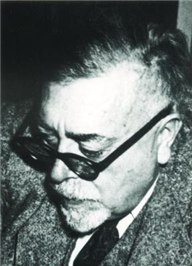
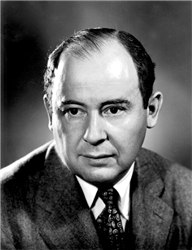
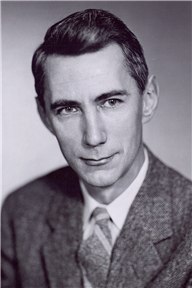
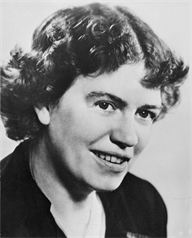
Portrait of Norbert WienerPortrait of John von NeumannPortrait of Claude ShannonPortrait of Margaret Mead
The Macy conferences on cybernetics1946–1953 · New York · 5 membersMeetings of scholars from many fields, held in New York by the Josiah Macy Jr. Foundation to promote communication across scientific disciplines. The ten cybernetics conferences, on feedback and circular causal systems, were among the first organized studies of interdisciplinarity and led to breakthroughs in systems theory, cybernetics and what later became cognitive science.
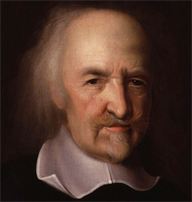
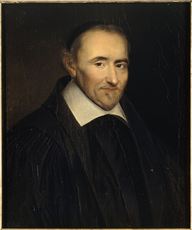
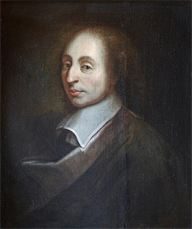
Portrait of Thomas HobbesPortrait of Pierre GassendiPortrait of Blaise Pascal
Mersenne’s circle1630s–1648 · Paris · 3 membersPhilosophers and scientists linked by letters to Marin Mersenne, who from about 1633 also met on Thursdays in Paris as the “Academia Parisiensis”. Mersenne brought opponents together and gathered the objections, Hobbes’s and Gassendi’s among them, printed with Descartes’s Meditations; Descartes, the group’s most important figure, was not an active participant in it.
Portrait of Alexandre KojèvePortrait of Georges BataillePortrait of Maurice Merleau-PontyPortrait of Jacques Lacan
Kojève’s Hegel lectures1933–1939 · Paris · 4 membersThe lectures on Hegel’s Phenomenology of Spirit that Kojève gave in Paris from 1933 to 1939 to a small but influential group of intellectuals. His reading of Hegel became one of the most influential of the century, and his reading of the master–slave dialectic was an important influence on Lacan’s theory of the mirror stage.
Portrait of Baron d'HolbachPortrait of Denis DiderotPortrait of Étienne Bonnot de CondillacPortrait of Marquis de Condorcet
D’Holbach’s salonc. 1750–c. 1790 · Paris · 6 membersThe salon Baron d’Holbach kept at his Paris home from about 1750 to 1790, meeting twice a week; it became an important meeting place for the writers of the Encyclopédie. Its regulars included Diderot, Condillac, Condorcet and Helvétius, and for a time Rousseau; Adam Smith and David Hume were among its British visitors.
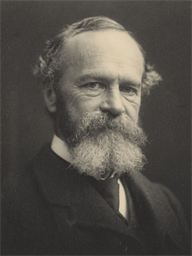
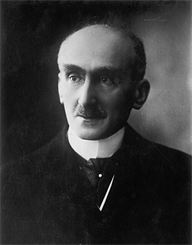
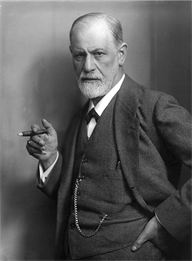
Portrait of Henry SidgwickPortrait of William JamesPortrait of Henri BergsonPortrait of Sigmund Freud
The Society for Psychical Researchfrom 1882 · United Kingdom · 5 membersA society founded in 1882, with Sidgwick as its first president, to understand events and abilities called psychic or paranormal “without prejudice or prepossession of any kind”; it holds no corporate opinions. Its investigations exposed many fraudulent mediums, and Conan Doyle led a mass resignation of eighty-four members who believed it was opposed to spiritualism.
Portrait of Henry SidgwickPortrait of J. M. E. McTaggartPortrait of Bertrand RussellPortrait of G. E. Moore
The Moral Sciences Clubfrom 1878 · Cambridge · 8 membersA Cambridge philosophy club, founded in 1878, that meets weekly in term time; it has been highly influential in analytic philosophy. At a meeting in 1946 Wittgenstein waved a poker at the guest speaker Karl Popper during a heated argument over whether philosophical problems are real or just linguistic games.
Portrait of Jawaharlal NehruPortrait of Lee Kuan YewPortrait of Bertrand RussellPortrait of G. K. Chesterton
The Fabian Societyfrom 1884 · Britain · 4 membersA British socialist organisation founded in 1884 to promote greater equality of power, wealth and opportunity. Its members have included Nehru and Lee Kuan Yew, who took Fabian principles into their own politics, though Lee later found the Fabian ideal of socialism impractical; Russell was briefly a member but resigned, saying its principle of entente against Germany could lead to war. Chesterton was an early member too, and resigned at the time of the Second Boer War.
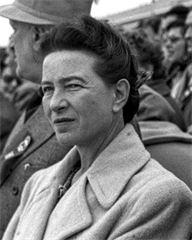
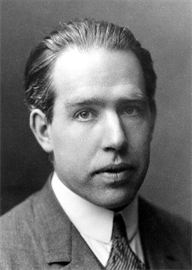
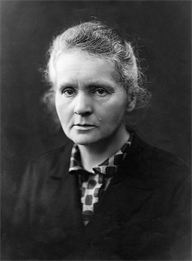
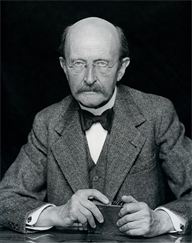
Portrait of Albert EinsteinPortrait of Niels BohrPortrait of Marie CuriePortrait of Max Planck
The fifth Solvay Conference1927 · Brussels · 6 membersA meeting in October 1927, organised by the Solvay institutes in Brussels, at which the world’s most notable physicists discussed the newly formulated quantum theory; the leading figures were Einstein and Bohr, and seventeen of the 29 attendees were or became Nobel Prize winners.
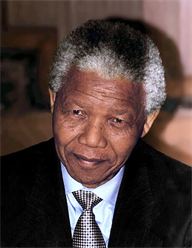
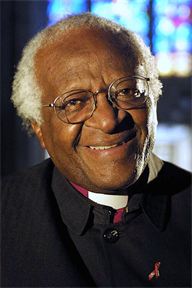
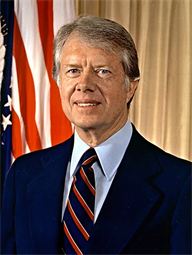
Portrait of Nelson MandelaPortrait of Desmond TutuPortrait of Jimmy Carter
The Eldersfrom 2007 · London · 3 membersPublic figures known as senior statesmen, peace activists and human rights advocates, whom Nelson Mandela brought together in 2007 to help resolve some of the world’s most intractable conflicts; Desmond Tutu was its chair for six years.
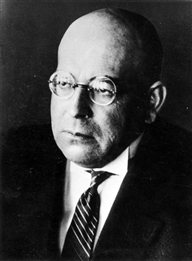
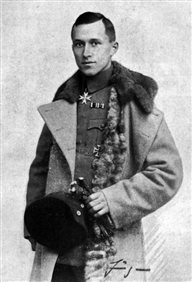
Portrait of Oswald SpenglerPortrait of Ernst JüngerPortrait of Martin HeideggerPortrait of Julius Evola
The Conservative Revolution1918–1933 · Germany and Austria · 5 membersA German ultraconservative movement between the end of the First World War and the Nazi seizure of power. Its thinkers held widely diverging views but were generally opposed to liberalism, egalitarianism and parliamentary democracy; its relationship with Nazism was ambiguous, and many of them later rejected the antisemitic or totalitarian nature of the Nazi regime. Whether Jünger belonged to it is still a matter of debate among scholars.
Portrait of René GuénonPortrait of Julius EvolaPortrait of Seyyed Hossein NasrPortrait of Aleksandr Dugin
The Traditionalist School20th century–today · Paris, then Cairo · 4 membersA school within perennial philosophy, begun by Guénon, which holds that one primordial, metaphysical truth is the source of all the major world religions, and sets “tradition” against modernity. Its uses range from Nasr’s environmentalism to the far-right politics of Evola, and scholars dispute whether such far-right views fit Traditionalist thought. Huxley’s perennialism, on this site’s Perennialism school, is a different, mystical universalist view.
Portrait of Richard DawkinsPortrait of Sam HarrisPortrait of Daniel Dennett
The Four Horsemen of New Atheism21st century · Washington, D.C. (their 2007 round table) · 3 membersThe leading writers of New Atheism, a 21st-century movement holding that religion should be examined, countered by rational and scientific arguments and criticised. In 2007 the three, with the journalist Christopher Hitchens (not on this site), met in Washington, D.C., for a videotaped round table titled “The Four Horsemen”.
Portrait of Carl SaganPortrait of B. F. SkinnerPortrait of Francis CrickPortrait of Stephen Jay Gould
The Committee for Skeptical Inquiryfrom 1976 · Amherst, New York · 15 membersA committee that Paul Kurtz proposed in 1976, with Sagan and Skinner among its founders, to counter what he saw as an uncritical acceptance of paranormal claims by the media and society. Its philosophical position is scientific skepticism; its fellows have included scientists, Nobel laureates, philosophers and psychologists, and since 2015 it has been a program of the Center for Inquiry.
Portrait of Karl JaspersPortrait of John DeweyPortrait of Jacques MaritainPortrait of James Burnham
The Congress for Cultural Freedom1950–1979 · Paris (founded in West Berlin) · 7 membersAn anti-communist cultural organization of the Cold War that aimed to promote intellectual freedom and combat Soviet totalitarianism. A group of anti-communist intellectuals founded it at a conference in West Berlin in 1950, and at its height it was active in 35 countries and published more than 20 magazines. In 1966 former CIA agents confirmed that the CIA had been instrumental in setting it up and funding it.
Portrait of Henri BergsonPortrait of Albert EinsteinPortrait of Sarvepalli RadhakrishnanPortrait of Jagadish Chandra Bose
The League of Nations Committee on Intellectual Cooperationfrom 1922 · Geneva · 5 membersAn advisory body of the League of Nations, set up in 1922, that promoted international exchange between scientists, researchers, teachers, artists and intellectuals; its first session was chaired by Bergson. Einstein resigned in 1923 in protest at its inefficacy and rejoined in 1924. It later gave rise to UNESCO.
Portrait of Rabindranath TagorePortrait of Jagadish Chandra BosePortrait of RamakrishnaPortrait of Swami Vivekananda
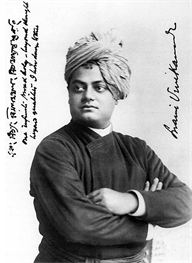
The Bengal Renaissancelate 1700s–early 1900s · Bengal · 5 membersA cultural, social, intellectual and artistic movement in the Bengal region of British India from the late 18th century to the early 20th. It questioned customs such as the caste system, sati and idolatry, and the role of religion and of colonial rule, and it also led to religious reform movements.
Portrait of Johann Wolfgang von GoethePortrait of Friedrich SchillerPortrait of Johann Gottfried Herder
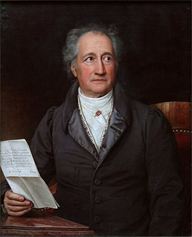
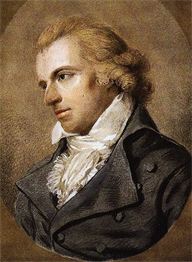
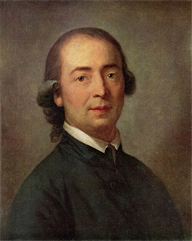
Sturm und Dranglate 1760s–early 1780s · Germany · 3 membersA proto-Romantic movement in German literature and music, in which individual feeling and extreme emotion were given free expression against what were seen as the limits that Enlightenment rationalism set. Goethe and Schiller were notable proponents early in their lives and left it to begin what became Weimar Classicism; Herder was one of its main theoretical influences.
Portrait of Jacobus ArminiusPortrait of Simon EpiscopiusPortrait of Hugo Grotius
The Remonstrantsfrom 1610 · Dutch Republic · 3 membersA Protestant movement that split from the Dutch Reformed Church in the early 17th century, built on the views of Arminius, called Arminianism. In 1610 his followers set out their disagreement with Calvinism in the Five Articles of Remonstrance; the Synod of Dort (1618–1619) condemned them and expelled their pastors, led by Episcopius, who wrote their Confession of 1621. Grotius, who contributed to Arminian theology, was imprisoned for his part in the dispute.
Portrait of William AlstonPortrait of Robert Merrihew AdamsPortrait of Alvin PlantingaPortrait of Nicholas Wolterstorff
The Society of Christian Philosophersfrom 1978 · United States · 4 membersA society founded in 1978 that is open to anyone interested in philosophy who considers themselves a Christian, and not restricted to any one school of philosophy or branch of Christianity. It meets with the divisions of the American Philosophical Association and publishes the journal Faith and Philosophy; Alston was its first president, and Adams, Plantinga and Wolterstorff later held the post.
Portrait of William F. Buckley Jr.Portrait of Russell KirkPortrait of James Burnham
The founders of National Reviewfrom 1955 · New York · 3 membersThe writers whom William F. Buckley Jr. gathered for the American conservative magazine he founded in 1955: an eclectic group of traditionalists, Catholic intellectuals, libertarians and anti-communists. Buckley sought out former Communists such as Burnham, one of its first senior editors, who urged a more pragmatic line reaching toward the political centre. The magazine has played a significant role in the development of conservatism in the United States.
Portrait of Sam HarrisPortrait of Jordan PetersonPortrait of Ben ShapiroPortrait of Ayaan Hirsi Ali
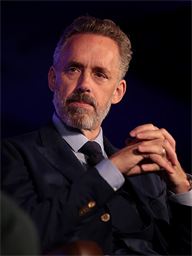
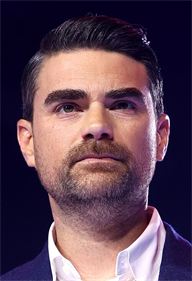
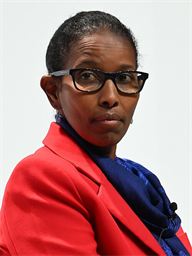
The intellectual dark webfrom 2018 · Western countries · 5 membersA loose grouping of academics and social commentators who oppose what they see as the influence of left-wing identity politics and political correctness in universities and the mass media. Eric Weinstein coined the name as a joke and Bari Weiss popularized it in The New York Times in 2018; critics such as Henry Farrell doubted that its members could credibly be described as purged or silenced.
Portrait of Karl MarxPortrait of Friedrich EngelsPortrait of Mikhail Bakunin
The First International1864–1876 · London · 3 membersA political international, founded in 1864 at a workers’ meeting in London, that aimed to unite left-wing groups and trade unions based on the working class and class struggle; Marx and Engels were its leading figures, and Marx drafted its two founding documents. The anti-statist opposition to its General Council gathered around Bakunin, and anarchists and Marxists split at its Hague Congress of 1872.
Portrait of Mikhail BakuninPortrait of Peter KropotkinPortrait of Élisée Reclus
The Jura Federationfrom 1872 · the Jura, Switzerland · 3 membersA federation of the anti-authoritarian International, founded in the Jura region in 1872 directly after anarchists and Marxists split at the Hague Congress, and one of its driving forces. Bakunin was its leading light until he retired in 1873; Kropotkin then became the international anarchist standard-bearer, and its members discussed the theory and practice of anarchist socialism, in particular “propaganda of the deed”.
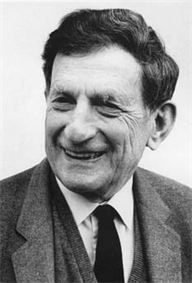
Portrait of Niels BohrPortrait of John von NeumannPortrait of Richard FeynmanPortrait of David Bohm
The Manhattan Project1942–1946 · United States · 4 membersA research and development program of the Second World War to produce the first nuclear weapons, led by the United States with the United Kingdom and Canada. At its peak it employed nearly 130,000 people, and from 1942 to 1946 it was directed by General Leslie Groves.
Portrait of Max MorePortrait of Nick BostromPortrait of Robin HansonPortrait of Ray Kurzweil
The Extropians1990s–2006 · the Extropy Institute’s mailing list · 5 membersThe members of the Extropy Institute, a transhumanist networking and information centre that Max More co-founded with Tom Bell, whose mailing list from the 1990s let members discuss extropianism: a philosophy that seeks to “increase extropy”, built on principles set out by More, with a strong emphasis on rational thinking and practical optimism. The institute closed in 2006, saying its mission was “essentially completed”.
Portrait of Nick LandPortrait of Mark FisherPortrait of Ray Brassier
The Cybernetic Culture Research Unit1995–early 2000s · University of Warwick, England · 3 membersAn experimental collective of cultural theorists formed in late 1995 at Warwick University, which gradually separated from academia and dissolved in the early 2000s. It became known for an idiosyncratic and surreal “theory-fiction” mixing philosophy, cyberpunk and occultism, and its work has an online cult following tied to the rise of accelerationism; Land became the driving force in its methods and ideas.
Portrait of Martin HeideggerPortrait of Rudolf CarnapPortrait of Joseph B. SoloveitchikPortrait of Emmanuel Levinas
The Davos disputation1929 · Davos · 4 membersThe encounter between Heidegger and Ernst Cassirer (not on this site) from 17 March to 6 April 1929 at the second Davos University Conference, where Cassirer gave four lectures and Heidegger three. Carnap, Soloveitchik and Levinas were in the audience; Levinas later recalled that a young student could have felt he was witnessing “the creation and the end of the world”.
Portrait of Jawaharlal NehruPortrait of Kwame NkrumahPortrait of Kenneth KaundaPortrait of Fidel Castro
The Non-Aligned Movementfrom 1961 · founded in Belgrade · 5 membersA forum of 120 countries that are not formally aligned with or against any major power bloc, set up in Belgrade in 1961 on the initiative of Tito, Nasser, Nehru, Nkrumah and Sukarno to advance the interests of developing countries in the Cold War; after the United Nations it is the largest grouping of states in the world. Kaunda chaired it from 1970 to 1973, Castro led it from 1979 to 1983, and Mandela was its secretary-general from 1998 to 1999.
Portrait of Jeremy BenthamPortrait of John Stuart MillPortrait of George EliotPortrait of Harriet Martineau
The Westminster Review1824–1914 · London · 6 membersA quarterly British journal that Bentham founded and funded in 1823 as the official organ of the Philosophical Radicals, published from 1824 to 1914; John Stuart Mill wrote in its second issue and later edited it. From 1851 its owner John Chapman and George Eliot, its assistant editor, gathered authors such as Martineau and Spencer, and from 1853 Huxley and Tyndall ran its science section, forming a group of evolutionists who helped pave the way for Darwin’s Origin of Species.
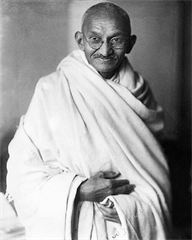
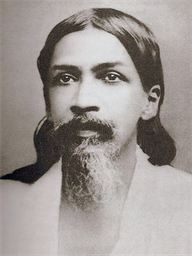
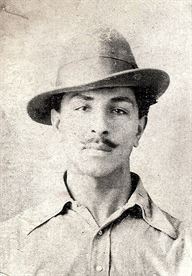
Portrait of Mahatma GandhiPortrait of Jawaharlal NehruPortrait of Sri AurobindoPortrait of Bhagat Singh
The Indian independence movementmid-1880s–1947 · India · 4 membersThe series of political efforts from the mid-1880s to 1947 to end British colonial rule in the Indian subcontinent, which began when the Indian National Congress was formed in 1885. In the 1920s it was marked by Gandhi’s leadership and the Congress’s adoption of his non-violence and civil disobedience, with Nehru among his leading followers; Aurobindo wrote for it as a Bengali nationalist, and Bhagat Singh, hanged in 1931, is counted among its most influential revolutionaries.
Portrait of Martin Luther King Jr.Portrait of Abraham Joshua HeschelPortrait of Bernie SandersPortrait of Stephen Jay Gould
The civil rights movement1954–1968 · United States · 6 membersA social movement in the United States from 1954 to 1968 that aimed to abolish legalized racial segregation, discrimination and disenfranchisement, which most often affected African Americans; it had modern roots in Gandhi’s nonviolent movement in India. Led by King and others, it campaigned with nonviolent protests and civil disobedience such as the Montgomery bus boycott. Heschel marched arm in arm with King at Selma in 1965, and Sanders organized protests for it as a student.

Academies

Schools, institutes and learned societies where they taught, studied or worked together, some lasting for centuries.

Portrait of Albert EinsteinPortrait of Kurt GödelPortrait of John von NeumannPortrait of Rudolf Carnap
The Institute for Advanced Studyfrom 1930 · Princeton, New Jersey · 13 membersA centre for theoretical research in Princeton, founded in 1930, that became the key lifeline for scholars fleeing Europe. Einstein was its first great recruit, and the computer built in its basement under von Neumann’s direction introduced the basic design of most modern computers.
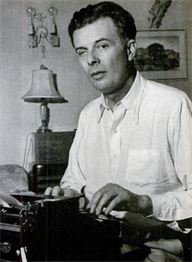
Portrait of Aldous HuxleyPortrait of Gregory BatesonPortrait of Abraham MaslowPortrait of Carl Rogers
The Esalen Institutefrom 1962 · Big Sur, California · 7 membersA retreat centre and community in Big Sur, founded in 1962 by Michael Murphy and Dick Price to support other ways of exploring human consciousness, what Huxley called “human potentialities”. It focuses on humanistic alternative education and played a key role in the Human Potential Movement from the 1960s.
Portrait of Hannah ArendtPortrait of Friedrich HayekPortrait of Jacques MaritainPortrait of T. S. Eliot
The Committee on Social Thoughtfrom 1941 · Chicago · 6 membersA PhD-granting committee at the University of Chicago, started in 1941, that is interdisciplinary and centred on no one topic; it has drawn together academics and writers to “foster awareness of the permanent questions at the origin of all learned inquiry”.
Portrait of Johannes KeplerPortrait of G. W. F. HegelPortrait of Friedrich Wilhelm Joseph Schelling
The Tübinger Stiftfrom 1536 · Tübingen · 3 membersA Protestant seminary in Tübingen, made in 1536 out of a medieval monastery to prepare pastors, whose students get board, lodging and a scholarship. The poet Hölderlin shared rooms there with Hegel and Schelling, and in Hegel’s time students privately read the forbidden texts of Spinoza, Kant and Voltaire.
Portrait of Gottfried Wilhelm LeibnizPortrait of Leonhard EulerPortrait of VoltairePortrait of Max Planck
The Prussian Academy of Sciences1700–1946 · Berlin · 10 membersThe academy of sciences in Berlin, set up in 1700 on Leibniz’s advice with him as its president. Frederick the Great made French its official language and speculative philosophy its most important subject, and Euler was its director until Lagrange succeeded him; in 1915 Einstein presented his field equations of general relativity to it.
Portrait of Nick BostromPortrait of Toby OrdPortrait of Robin Hanson
The Future of Humanity Institute2005–2024 · Oxford · 3 membersAn interdisciplinary research centre in the Faculty of Philosophy at the University of Oxford, founded by Bostrom in 2005, that studied big-picture questions about humanity and its prospects; it worked closely with the Centre for Effective Altruism, and the university closed it in April 2024.
Portrait of Henri BergsonPortrait of Claude BernardPortrait of Michel FoucaultPortrait of Maurice Merleau-Ponty
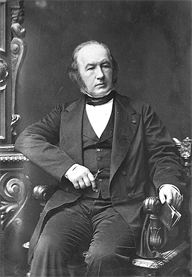
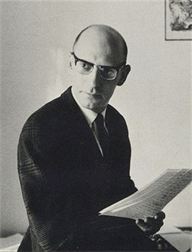
The Collège de Francefrom 1530 · Paris · 8 membersA higher education and research establishment in Paris, founded in 1530 by Francis I. It grants no degrees: each professor must give lectures that are free and open to anyone, and its professors, about 50, are chosen by the professors themselves.
Portrait of NichirenPortrait of DōgenPortrait of Shinran
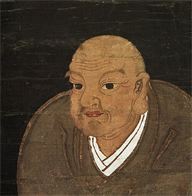
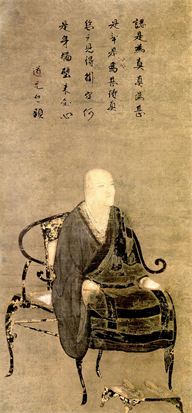
Mount Hiei (Enryaku-ji)from 788 · near Kyoto · 3 membersThe mountain northeast of Kyoto where Saichō founded the temple of Enryaku-ji in 788, the first outpost of the Tendai school of Buddhism in Japan. Later Japanese schools of Buddhism were almost all founded by former Tendai monks, such as Hōnen, Nichiren, Dōgen and Shinran, who all studied there before leaving to start their own practices. Oda Nobunaga razed the temple complex in 1571.
Portrait of Alfred North WhiteheadPortrait of W. V. O. QuinePortrait of B. F. SkinnerPortrait of Noam Chomsky
The Harvard Society of Fellowsfrom 1933 · Cambridge, Massachusetts · 6 membersA group of scholars chosen by Harvard at the start of their careers: junior fellows get three years of generous support to do independent research in any discipline, with no degree requirements and no grades. It grew out of meetings from 1925 at which Whitehead and two colleagues discussed their frustration with graduate study, and it began in the 1933–34 academic year.
Portrait of Ruhollah KhomeiniPortrait of Muhammad Husayn Tabataba'iPortrait of Morteza MotahhariPortrait of Ali al-Sistani
The Qom Seminaryfrom 1922 · Qom, Iran · 4 membersThe largest Shia seminary in Iran, founded in 1922 by Grand Ayatollah Abdul-Karim Haeri Yazdi to train Usuli scholars; it became a primary centre of Shia scholarship in the Islamic world. After the 1979 revolution its first management council was formed by order of Khomeini.
Portrait of Milton FriedmanPortrait of Thomas SowellPortrait of Eric VoegelinPortrait of Ayaan Hirsi Ali
The Hoover Institutionfrom 1919 · Stanford University · 4 membersAn American public policy think tank founded by Herbert Hoover in 1919, which promotes personal and economic liberty, free enterprise and limited government. It is officially a unit of Stanford University but keeps an independent board.
Portrait of Alain BadiouPortrait of Jean BaudrillardPortrait of Judith ButlerPortrait of Jacques Derrida
The European Graduate Schoolfrom 1994 · Saas-Fee, Switzerland, and Valletta, Malta · 6 membersA private graduate school founded in 1994 in Saas-Fee, Switzerland, by Paolo Knill, with the Swiss canton of Valais as a co-founder; it now also works in Valletta, Malta.
Portrait of James Clerk MaxwellPortrait of Francis CrickPortrait of Abdus Salam
The Cavendish Laboratoryfrom 1874 · Cambridge · 3 membersThe physics department of the University of Cambridge, opened in 1874 as a laboratory for experimental physics; Maxwell was one of its founders and its first Cavendish Professor of Physics. The electron, the neutron and the structure of DNA were discovered there, and by 2019, 30 of its researchers had won Nobel Prizes.
Portrait of Michel FoucaultPortrait of Gilles DeleuzePortrait of Jean-François LyotardPortrait of Alain Badiou
The Vincennes experimental universityfrom 1969 · Vincennes, then Saint-Denis · 5 membersThe experimental university centre opened at Vincennes on 13 January 1969 as a direct response to the events of May 1968, which moved to Saint-Denis in 1980 and is now Paris 8 University. It became known for its radical philosophy department, then headed by Foucault, with many faculty who considered themselves communists; Deleuze, Lyotard and Badiou taught in it, and Lacan in its psychoanalysis department.
Portrait of Max PlanckPortrait of Albert EinsteinPortrait of Werner HeisenbergPortrait of Jürgen Habermas
The Kaiser Wilhelm Society (Max Planck Society)from 1911 · Germany · 4 membersA German scientific institution founded in 1911 as an umbrella for many research institutes, renamed the Max Planck Society in 1948 in honour of its former president, Max Planck. Einstein directed its Institute for Physics from 1917 to 1933, Heisenberg became that institute’s director after the Second World War, and Habermas co-directed its institute in Starnberg.
Portrait of John RawlsPortrait of Robert NozickPortrait of Thomas SowellPortrait of Daniel Dennett
The Center for Advanced Study in the Behavioral Sciencesfrom 1954 · Palo Alto, California · 6 membersAn independent research institute at Stanford University, in Palo Alto, that began work in 1954 with a founding grant from the Ford Foundation, “to increase knowledge of factors which influence or determine human conduct”; it hosts fellows from around the world.
Portrait of VoltairePortrait of MontesquieuPortrait of Victor HugoPortrait of Émile Littré
The Académie françaisefrom 1635 · Paris · 13 membersThe principal French council for matters of the French language, founded in 1635 under Cardinal Richelieu, with forty members known as “the immortals”. Famous members have included Voltaire, Montesquieu, Hugo and Littré, while Rousseau, Diderot, Descartes and Sartre never became members; Maurras was excluded after the Second World War for his association with the Vichy regime.
Portrait of John DeweyPortrait of Leo StraussPortrait of Erich FrommPortrait of Hannah Arendt
The New School for Social Researchfrom 1919 · New York · 11 membersA school founded in New York in 1919, with Dewey among its founders; in 1933 it set up the University in Exile as an academic haven for scholars, largely Jewish, who were escaping Nazi Germany. Strauss, Fromm, Arendt, Maslow, Mead, Berger and Cage taught there.
Rival camps

Two sides and one question they fought over, sometimes for centuries.
Portrait of René DescartesPortrait of Baruch SpinozaPortrait of John LockePortrait of George Berkeley
Rationalists against Empiricists1640s–1780s · The Rationalists against The EmpiricistsDoes knowledge start in pure reason, or in what the senses show us?
Portrait of Abu al-Hasan al-Ash'ariPortrait of Al-GhazaliPortrait of Wasil ibn AtaPortrait of Qadi Abd al-Jabbar
Ash'arites against Mu'tazilites700s–1200s · The Ash'arites against The Mu'tazilitesDo people freely make their own acts, or does God create them?
Portrait of Gottlob FregePortrait of Bertrand RussellPortrait of Edmund HusserlPortrait of Martin Heidegger
Analytic against Continental1900s–today · Analytic against ContinentalShould philosophy analyse language with logic, or describe experience as phenomenology does?
Portrait of Thomas AquinasPortrait of Peter AbelardPortrait of William of OckhamAC
Realists against Nominalists1090s–1470s · The Realists against The NominalistsDo universals, like redness or being human, exist in reality, or only in thought and speech?
Portrait of MenciusPortrait of XunziPortrait of Shang YangPortrait of Han Fei
Confucians against Legalists300s–200s BC · The Confucians against The LegalistsShould a state be ruled by impartial laws, or by rulers and officials of cultivated virtue?
Portrait of SocratesPortrait of PlatoPortrait of ProtagorasPortrait of Gorgias
Socrates and Plato against the Sophists400s–300s BC · Socrates and Plato against The SophistsWhat sets a philosopher, who seeks the truth, apart from a sophist, who teaches arguing for a fee?
Portrait of Zeno of CitiumPortrait of Seneca the YoungerPortrait of EpicurusPortrait of Lucretius
Stoics against Epicureans300s BC–200s AD · The Stoics against The EpicureansIs virtue the only good, or is pleasure, understood as freedom from pain and fear, the goal of life?
Portrait of John RawlsPortrait of Robert NozickPortrait of Alasdair MacIntyrePortrait of Charles Taylor
Liberals against Communitarians1971–1990s · The liberals against The communitariansShould justice rest on principles meant to hold for every society, or on the traditions of particular communities?
Portrait of Guillaume VerdonPortrait of Marc AndreessenPortrait of Eliezer YudkowskyPortrait of Nick Bostrom
Effective accelerationists against the AI-risk side2020s · The effective accelerationists against The AI-risk sideShould AI be built as fast as possible, or slowed or stopped because it could wipe out humanity?
Portrait of Niels BohrPortrait of Werner HeisenbergPortrait of Albert EinsteinPortrait of Erwin Schrödinger
The Bohr–Einstein debates1920s–1930s · The Copenhagen side against Einstein’s sideIs quantum mechanics a complete theory, or do things have definite properties even when no one measures them?
Portrait of G. E. MoorePortrait of Bertrand RussellPortrait of F. H. BradleyPortrait of J. M. E. McTaggart
Moore and Russell against the British Idealistsearly 1900s · Moore and Russell against The British IdealistsIs reality one whole, as the idealists taught, or many separate things, as common sense holds?
Portrait of David ChalmersPortrait of Thomas NagelPortrait of Daniel DennettPortrait of Patricia Churchland
The hard problem of consciousness1990s–today · Those who see a hard problem against Those who deny itIs explaining why brain processes come with felt experience a problem of its own, or will it be solved along with the “easy” problems of how the brain works?
Portrait of Karl MarxPortrait of Friedrich EngelsPortrait of Pierre-Joseph ProudhonPortrait of Mikhail Bakunin
Marxists against anarchists1840s–1870s · The Marxists against The anarchistsShould the workers use the state to bring about socialism, or replace it at once with free federations, since a workers’ state would become a new dictatorship?
Portrait of Gottfried Wilhelm LeibnizPortrait of Jean-Jacques RousseauPortrait of Pierre BaylePortrait of Voltaire
Leibniz’s optimism against its critics1700s–1750s · The optimists against The criticsDo we live in the best of all possible worlds, where evil is necessary, or does the suffering in it count against a just and caring God?
Portrait of Richard DawkinsPortrait of Sam HarrisPortrait of John LennoxPortrait of William Lane Craig
New Atheists against their critics2000s–2010s · The New Atheists against Their criticsShould belief in God be countered by reason and science, or can faith be defended in open argument?
Portrait of Gilbert RylePortrait of J. L. AustinPortrait of Bertrand RussellPortrait of A. J. Ayer
Ordinary language philosophers against their critics1940s–1960s · The ordinary language philosophers against Their criticsAre philosophical problems best solved by looking closely at how words are ordinarily used, or is ordinary language too confused, so that logic must improve on it?

Teachers and students

Who taught whom, among the people on this site.