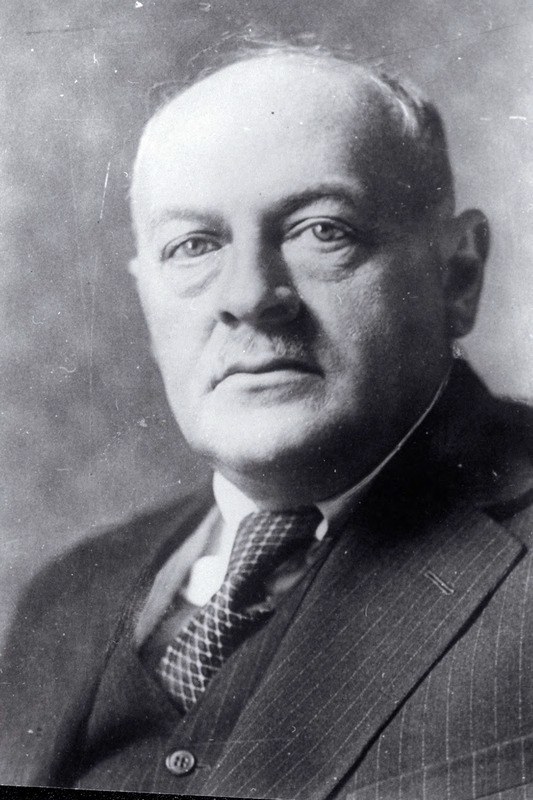
The author in one sentence
I believe values are real and ordered, and that the heart, through love and feeling, sees them before reason does.
Max Scheler's view as we would sum it up in their voice. Our summary, not a quotation.
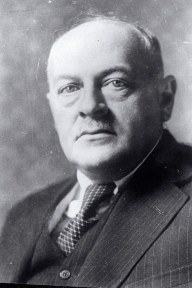
Where Max Scheler leans
Spirit or matterStrong · Spirit
Spirit 80%Matter 20%
Facts: subjective or objectiveStrong · Objective
Subjective 20%Objective 80%
Values: subjective or objectiveVery strong · Objective
Subjective 5%Objective 95%
Individual or collectiveStrong · Collective
Individual 30%Collective 70%
Separate from the highest, or one with itStrong · All is one
Separate 25%All is one 75%
Inner life: real, or explained away by the brainVery strong · Mind is real
Mind is real 90%Mind explained away 10%
Life: meaning, or none at allVery strong · Life has meaning
Life has meaning 95%No meaning at all 5%
Other minds: surely real, or only my own is sureVery strong · Others surely real
Others surely real 95%Only my mind is sure 5%
The way to the highest: own effort, or graceStrong · By my own effort
By my own effort 75%By grace 25%
The good life: pleasure, or virtue and dutyVery strong · Virtue and duty
Pleasure is the good 15%Virtue and duty 85%
What makes an act right: principles, or consequencesVery strong · Principles
Principles 85%Consequences 15%
God: exists, or notStrong · God exists
God exists 70%No God 30%
Method: logic and analysis, or lived experienceVery strong · Lived experience
Logic and analysis 10%Lived experience 90%
And you, where do you stand?
Take the quiz and see how close you are to Max Scheler.
Take the quiz