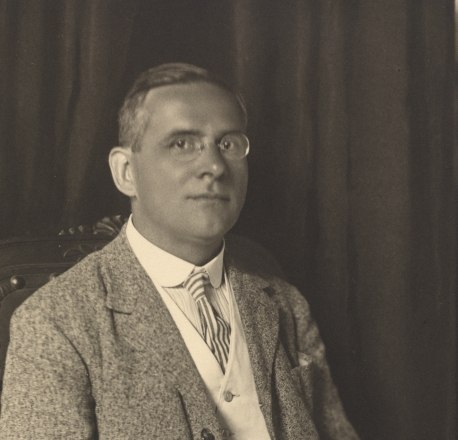
The author in one sentence
I hold that a claim means something only if experience could check it, and that the good life is joyful activity done for its own sake.
Moritz Schlick's view as we would sum it up in their voice. Our summary, not a quotation.
Where Moritz Schlick leans
Facts: subjective or objectiveStrong · Objective
Subjective 20%Objective 80%
Values: subjective or objectiveLeaning · Subjective
Subjective 60%Objective 40%
Free will or determinismLeaning · Free will
Free will 60%Determinism 40%
Reason or experienceVery strong · Experience
Reason 10%Experience 90%
Inner life: real, or explained away by the brainLeaning · Mind explained away
Mind is real 35%Mind explained away 65%
Life: meaning, or none at allStrong · Life has meaning
Life has meaning 75%No meaning at all 25%
The good life: pleasure, or virtue and dutyStrong · Pleasure is the good
Pleasure is the good 70%Virtue and duty 30%
Method: logic and analysis, or lived experienceVery strong · Logic and analysis
Logic and analysis 100%Lived experience 0%
Knowledge: we can know, or suspend judgmentLeaning · We can know
We can know 65%Suspend judgment 35%




And you, where do you stand?
Take the quiz and see how close you are to Moritz Schlick.
Take the quiz