6 members on this site
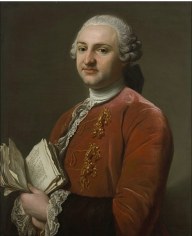 Baron d'Holbach1723–1789 · Hard DeterminismPart of it from c. 1750 · until death
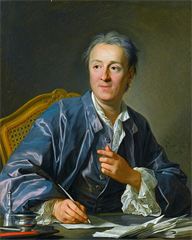 Denis Diderot1713–1784Years not recorded
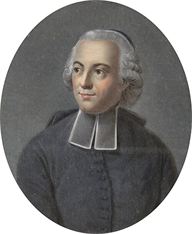 Étienne Bonnot de Condillac1714–1780 · EmpiricismYears not recorded
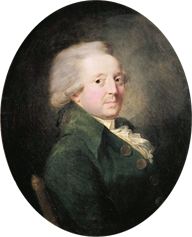 Marquis de Condorcet1743–1794 · Classical liberalismYears not recorded
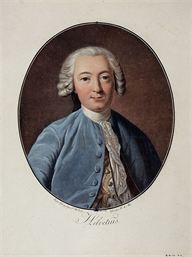 Claude Adrien Helvétius1715–1771Years not recorded
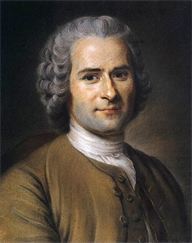 Jean-Jacques Rousseau1712–1778 · ContractarianismBroke with itcame for a time; split with the Encyclopédistes in 1758
Where the circle leans
The average of its members on each scale where two or more of them have a position and they roughly agree. Left out because the members split: spirit or matter (Étienne Bonnot de Condillac toward spirit, Baron d'Holbach toward matter); free will or determinism (Jean-Jacques Rousseau toward free will, Baron d'Holbach toward determinism); individual or collective (Étienne Bonnot de Condillac toward individual, Jean-Jacques Rousseau toward collective); inner life: real, or explained away by the brain (Étienne Bonnot de Condillac toward the mind being real, Baron d'Holbach toward the mind being explained away); the good life: pleasure, or virtue and duty (Claude Adrien Helvétius toward pleasure as the good, Denis Diderot toward virtue and duty); what makes an act right: principles, or consequences (Marquis de Condorcet toward principles, Baron d'Holbach toward consequences); God: exists, or not (Étienne Bonnot de Condillac toward God existing, Denis Diderot toward no God); technology: speed it up, or hold it back (Marquis de Condorcet toward speeding technology up, Jean-Jacques Rousseau toward holding technology back).
Side by side with you
Black dot: the circle, at the average of its members. Red ring: you.
On the maps
Each map puts two scales side by side. Each small square is a school, at its exact spot; its name shows where there is room. For the others, point at the square, or tap it once on a phone. Click a school, or tap it again, to open it.
Swipe sideways to see the whole chart.
Closest circles
Sources
Where the list of members comes from: the exact words on each page.
From c. 1750 to c. 1790, Baron d’Holbach used his wealth to maintain one of the more notable and lavish Parisian salons, which soon became an important meeting place for the contributors to the Encyclopédie
wikipedia.orgMeetings were held regularly twice a week, on Sundays and Thursdays, in d’Holbach’s home in rue Royale
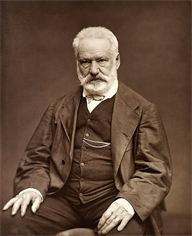
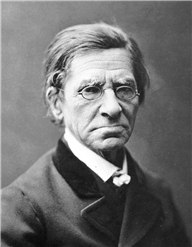
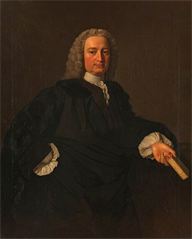
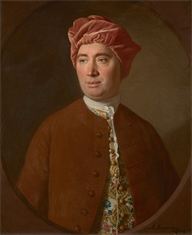
wikipedia.orgAmong the regulars in attendance at the salon—the coterie holbachique —were the following: Diderot, Grimm, Condillac, Condorcet, D’Alembert, Marmontel, Turgot, La Condamine, Raynal, Helvétius, Galiani, Morellet, Naigeon and, for a time, Jean-Jacques Rousseau
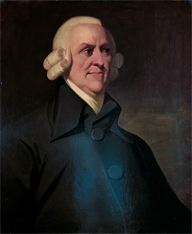
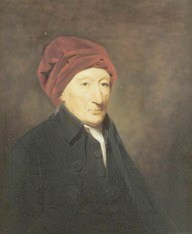
wikipedia.orgThe salon was also visited by prominent British intellectuals, amongst them Adam Smith, David Hume
wikipedia.org
And you, where do you stand?
Take the quiz and see your match with D’Holbach’s salon and the other circles.
Take the quiz