5 members on this site
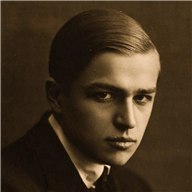
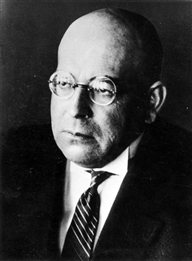 Oswald Spengler1880–1936Part of it from 1918 · until it ended
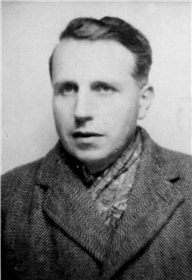
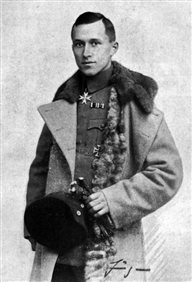 Ernst Jünger1895–1998Years not recordedrejected the Nazis’ advances and never joined the party
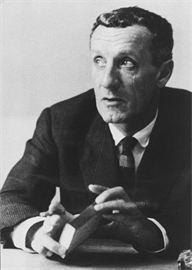
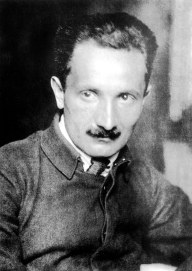 Martin Heidegger1889–1976 · PhenomenologyYears not recorded
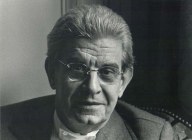
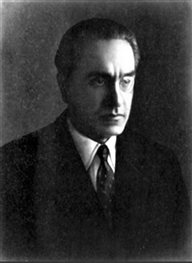 Julius Evola1898–1974 · PerennialismYears not recorded
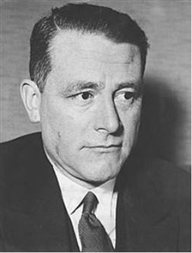 Carl Schmitt1888–1985Part of it from 1921 · end not recorded
Where the circle leans
The average of its members on each scale where two or more of them have a position and they roughly agree. Left out because the members split: values: subjective or objective (Oswald Spengler toward subjective, Julius Evola toward objective); free will or determinism (Martin Heidegger toward free will, Oswald Spengler toward determinism); other minds: surely real, or only my own is sure (Martin Heidegger toward other minds surely being real, Julius Evola toward only one's own mind being sure); the way to the highest: own effort, or grace (Julius Evola toward one's own effort, Martin Heidegger toward grace); God: exists, or not (Ernst Jünger toward God existing, Julius Evola toward no God).
Side by side with you
Black dot: the circle, at the average of its members. Red ring: you.
On the maps
Each map puts two scales side by side. Each small square is a school, at its exact spot; its name shows where there is room. For the others, point at the square, or tap it once on a phone. Click a school, or tap it again, to open it.
Swipe sideways to see the whole chart.
Closest circles
Sources
Where the list of members comes from: the exact words on each page.
prominent members of the Conservative Revolution included: Oswald Spengler Edgar Julius Jung Carl Schmitt Thomas Mann (until 1922); Ernst Jünger and his brother Friedrich Georg Jünger Arthur Moeller van den Bruck Stefan George Ernst Niekisch Martin Niemöller Wilhelm Stapel Hans Freyer Othmar Spann Hugo von Hofmannsthal and the Lensch-Cunow-Haenisch group Ernst von Salomon Ludwig Klages August Winnig Georg Quabbe Hans Zehrer Werner Sombart Hermann Rauschning Gottfried Reinhold Treviranus Julius Evola (Italian) Martin Heidegger
wikipedia.orgHe was a prominent member of the Weimar -era Conservative Revolution
wikipedia.orgthe interwar Conservative Revolution, ‘with which Evola had a deep personal involvement’
wikipedia.orgultraconservative movement prominent in Germany and Austria between 1918 and 1933 (from the end of World War I up to the Nazi seizure of power )
wikipedia.orgshowed a wide range of diverging positions concerning the nature of the institutions Germany had to instate
wikipedia.orgthey were generally opposed to traditional Wilhelmine Christian conservatism, egalitarianism, liberalism and parliamentarian democracy
wikipedia.orgThe Conservative Revolution held an ambiguous relationship with Nazism
wikipedia.orgMany of them eventually rejected the antisemitic or the totalitarian nature of the Nazi regime
wikipedia.orgOswald Spengler, author of The Decline of the West, embodied the Kulturpessimismus that partly characterised the Conservative Revolution
wikipedia.orgThe association of Jünger to the Conservative Revolutionaries is still a matter of debate among scholars
wikipedia.org
And you, where do you stand?
Take the quiz and see your match with The Conservative Revolution and the other circles.
Take the quiz