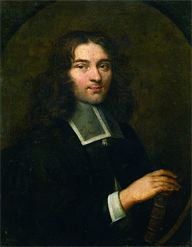
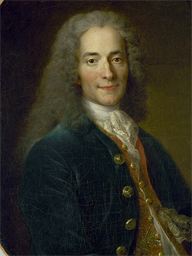
The two camps
Leibniz’s Théodicée of 1710, which introduced the word theodicy, was largely a response to Bayle, his chief opponent. With the poet Alexander Pope, Leibniz developed “philosophical optimism” to reconcile a loving Christian God with the indifference of nature in disasters, and affirmed that we live in the best of all possible worlds. After the 1755 Lisbon earthquake Voltaire’s poem criticised the optimists Pope and Leibniz, endorsed the skeptic Bayle, and questioned whether a just and compassionate God would punish sins through such cruelty. In 1756 Rousseau answered Voltaire in a letter, arguing that evil is necessary to the existence of the universe. Voltaire’s Candide (1759) aimed its satire almost wholly at Leibnizian optimism.
In our words.
A. The optimists
Placed at the average of these 2 people.
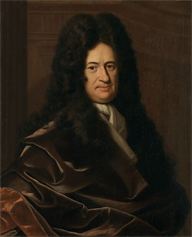 Gottfried Wilhelm Leibniz1646–1716
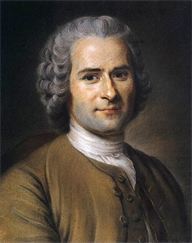 Jean-Jacques Rousseau1712–1778
Where they part ways
Each scale both camps have a position on, the biggest gap first.
The optimistsThe critics
The big letters are each camp's average; the small dots are its members (filled: The optimists, open: The critics). A camp whose members are far apart on a scale is marked split.
Your side
Take the quiz to see which camp you would have joined.
Sources
Where each camp comes from: the exact words on each page.
The book, published in 1710, introduced the term theodicy
wikipedia.orgMuch of the work consists of a response to the ideas of the French philosopher Pierre Bayle
wikipedia.orgthe real-life pessimist Pierre Bayle, who was a chief opponent of Leibniz
wikipedia.orgThe polymath Gottfried Wilhelm Leibniz and the poet Alexander Pope were famous for developing a system of thought known as philosophical optimism in an attempt to reconcile a loving Christian God with the seeming indifference of nature in disasters such as Lisbon
wikipedia.orgLeibniz’ affirmation we live in the best of all possible worlds, provoked Voltaire’s scorn
wikipedia.orgcomposed by Voltaire as a response to the 1755 Lisbon earthquake
wikipedia.orgVoltaire criticized religious figures and philosophers such as the optimists Pope and Leibniz but endorsed the views of the skeptic Pierre Bayle
wikipedia.orgquestioning whether a just and compassionate God would seek to punish sins through such cruelty
wikipedia.orgVoltaire was, in turn, criticized by the philosopher Jean-Jacques Rousseau
wikipedia.orgwho received a letter carrying Rousseau’s criticism on 18 August 1756
wikipedia.orgargued that evil is necessary to the existence of the universe
wikipedia.org1759 satirical novella by Voltaire
wikipedia.orgThis critique of Voltaire’s seems to be directed almost exclusively at Leibnizian optimism
wikipedia.org
And you, where do you stand?
Take the quiz and see which side of Leibniz’s optimism or its critics you are on.
Take the quiz