In one sentence
Morality and the authority of rulers come from a deal that free, rational people like me would agree to under fair conditions.
How someone from Contractarianism might sum up what they believe. Our summary, not a quotation.
Key thinkers
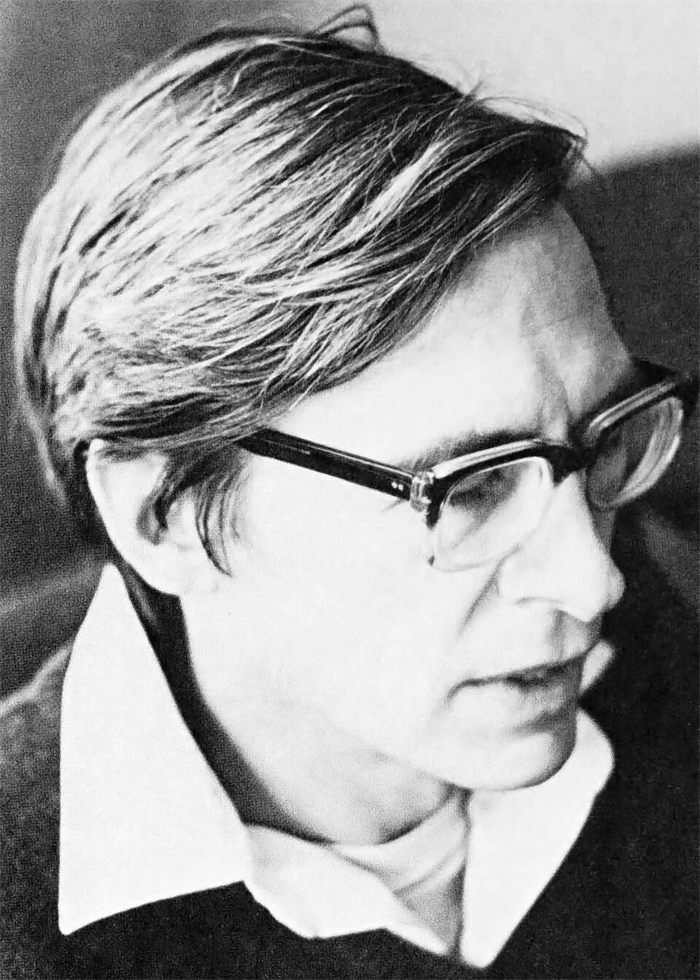
 John Rawls1921–2002 · A Theory of Justice
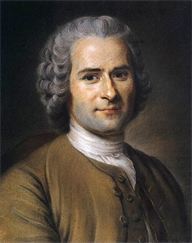 Jean-Jacques Rousseau1712–1778 · The Social Contract
Where it leans
About right, wrong and how to live. Positions are our estimates; philosophers argue about where many schools belong.
Most unusual position
54%On spirit or matter, it leans further toward matter than 54% of the 135 schools on the map.
Middle of all schools on the map: 39 · This school: 45 (0 = Spirit, 100 = Matter)
Most typical position
ValuesOn values (subjective or objective), it sits close to the middle of the schools on the map.
Middle of all schools on the map: 79 · This school: 78 (0 = subjective, 100 = objective)
Where it comes from
What came before Contractarianism and led into it, and what grew out of it. Only links that historians agree on.
Came before it
- Thomas Hobbes, Leviathan (1651)
- John Locke, Two Treatises of Government (1689)
- Jean-Jacques Rousseau, The Social Contract (1762)
- Immanuel Kant (1790s)
Grew out of it
- James Buchanan and Gordon Tullock, The Calculus of Consent (1962)
- John Rawls, A Theory of Justice (1971)
- David Gauthier, Morals by Agreement (1986)
- T. M. Scanlon, What We Owe to Each Other (1998)
One thing to practise
A real practice from Contractarianism, to try this week. Described in our words.
The veil of ignorance
Pick a rule you care about, like tax, inheritance or school places. Imagine you do not know who you will be in that society, rich or poor, strong or weak, and ask which rule you would choose.
From: John Rawls, A Theory of Justice (1971), section 24
Its strongest argument
The best case Contractarianism makes against people who see the world very differently, in two sentences. People whose furthest school this is see it on their result.
A rule you could not accept without knowing whether you would end up rich or poor, healthy or sick, cannot claim to be fair, so a just society is one free people would agree to without knowing their place. So if you defend arrangements that suit your own position, Rawls would ask whether you would pick them from anyone's position.
The argument in our own words, not a quotation.
Where it sits
On the maps
Each map puts two scales side by side. Each small square is a school, at its exact spot; its name shows where there is room. For the others, point at the square, or tap it once on a phone. The first, Reality & truth, puts spirit or matter across and subjective or objective up and down. Click a school, or tap it again, to open it.
Swipe sideways to see the whole chart.
Thinkers in this school
Pictured thinkers nearest this spot on the map
Neighbours on the map
The six schools closest to this one.
- Process PhilosophyReality is made of events and change rather than fixed things; becoming comes before being.
- CypherpunkPrivacy and freedom will not be granted by governments or companies, so people must protect them themselves by building and using strong cryptography.
- SpinozismGod and Nature are one substance; everything follows by necessity, and understanding that frees you.
- PantheismGod and the universe are the same thing; the divine is everywhere in nature.
- BuddhismSuffering comes from craving and from clinging to a fixed self; letting go through the Eightfold Path brings freedom.
- LongtermismPeople who will live in the future count as much as people alive today, and there may be vastly more of them, so protecting the long-term future comes first.
And you, where do you stand?
Take the quiz and see your match with Contractarianism and the other 134 schools.
Take the quiz