8 members on this site
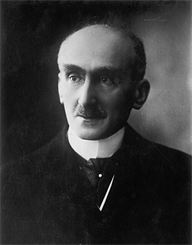 Henri Bergson1859–1941 · VitalismThere 1900–1920 · moved onretired from the chair
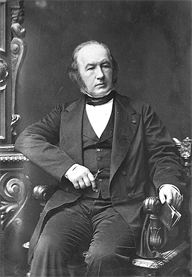 Claude Bernard1813–1878There from 1841 · until death
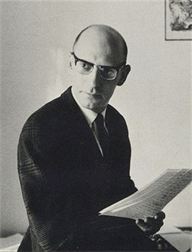 Michel Foucault1926–1984 · PoststructuralismThere from 1970 · until death
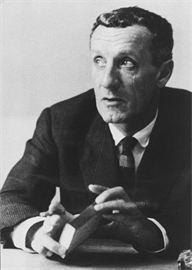 Maurice Merleau-Ponty1908–1961 · PhenomenologyThere from 1952 · until death
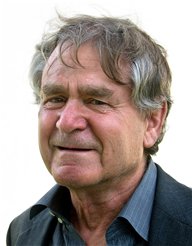 Ian Hacking1936–2023 · Scientific RealismThere 2000–2006 · moved onretired from the chair
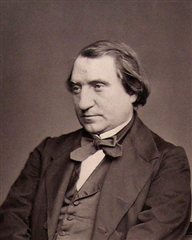 Ernest Renan1823–1892There from 1862 · until deathsuspended 1862, removed 1864; administrator from 1883
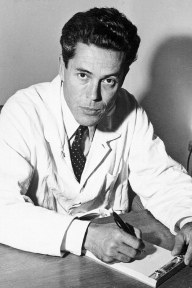 Jacques Monod1910–1976There 1967–1973 · moved on
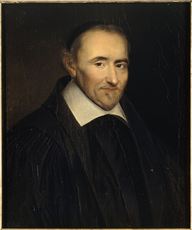 Pierre Gassendi1592–1655 · AtomismThere 1645–1648 · moved onill health ended his lectures
Where the circle leans
The average of its members on each scale where two or more of them have a position and they roughly agree. Left out because the members split: facts: subjective or objective (Michel Foucault toward subjective, Jacques Monod toward objective); free will or determinism (Henri Bergson toward free will, Claude Bernard toward determinism); reason or experience (Henri Bergson toward reason, Pierre Gassendi toward experience); inner life: real, or explained away by the brain (Henri Bergson toward the mind being real, Jacques Monod toward the mind being explained away); life: meaning, or none at all (Ernest Renan toward life having meaning, Jacques Monod toward no meaning at all); the good life: pleasure, or virtue and duty (Pierre Gassendi toward pleasure as the good, Ernest Renan toward virtue and duty); God: exists, or not (Pierre Gassendi toward God existing, Michel Foucault toward no God); method: logic and analysis, or lived experience (Ian Hacking toward logic and analysis, Henri Bergson toward lived experience).
Side by side with you
Black dot: the circle, at the average of its members. Red ring: you.
On the maps
Each map puts two scales side by side. Each small square is a school, at its exact spot; its name shows where there is room. For the others, point at the square, or tap it once on a phone. Click a school, or tap it again, to open it.
Swipe sideways to see the whole chart.
Closest circles
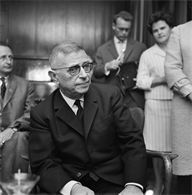
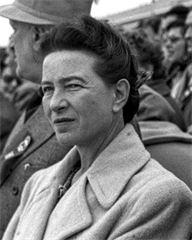
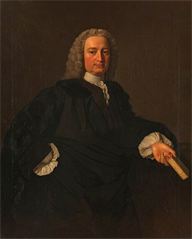
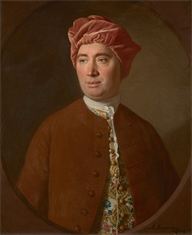
Sources
Where the list of members comes from: the exact words on each page.
founded in 1530 by Francis I of France, is a higher education and research establishment
wikipedia.orgIt is located in Paris near La Sorbonne
wikipedia.orgIt does not grant degrees
wikipedia.orgEach professor is required to give lectures where attendance is free and open to anyone
wikipedia.orgProfessors, about 50 in number, are chosen by the professors themselves
wikipedia.orgÉmile Benveniste, structural linguist, semiotician Henri Bergson, philosopher Claude Bernard, physiologist
wikipedia.orgLucien Febvre Oronce Fine Michel Foucault Ferdinand André Fouqué
wikipedia.orgMarcel Mauss Maurice Merleau-Ponty Jules Michelet
wikipedia.orgMartial Gueroult Ian Hacking Eugène Auguste Ernest Havet
wikipedia.org1873–1883: Édouard René de Laboulaye 1883–1892: Ernest Renan
wikipedia.orgAcademic staff of the Collège de France
wikipedia.orgIn 1645 he accepted the chair of mathematics in the Collège Royal in Paris, and lectured for several years
wikipedia.org
And you, where do you stand?
Take the quiz and see your match with The Collège de France and the other circles.
Take the quiz