11 members on this site
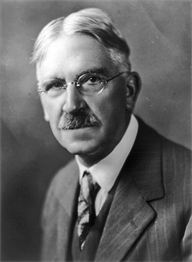 John Dewey1859–1952 · PragmatismThere from 1919 · end not recordeda co-founder who stayed on the Columbia faculty
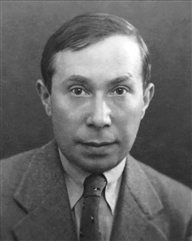 Leo Strauss1899–1973There 1938–1948 · moved on
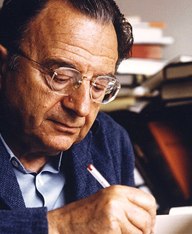 Erich Fromm1900–1980 · Critical TheoryThere 1941–1959 · moved on
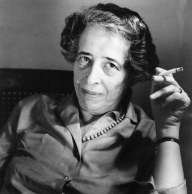 Hannah Arendt1906–1975There from 1967 · until death
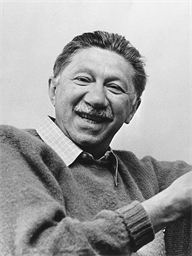 Abraham Maslow1908–1970 · Humanistic PsychologyYears not recorded
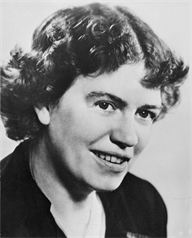 Margaret Mead1901–1978 · Moral RelativismYears not recorded
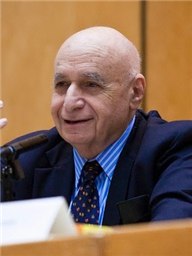 Peter L. Berger1929–2017 · Social ConstructionismYears not recordedstudied there (MA and PhD 1954), then taught there
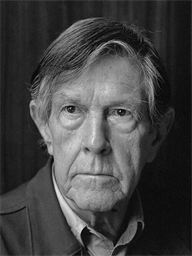 John Cage1912–1992 · Zen BuddhismThere 1933–1961 · moved onforced out by the Graduate Faculty
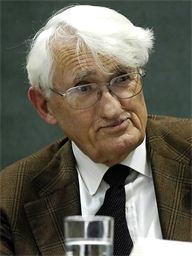 Jürgen Habermas1929–2026 · Critical TheoryYears not recorded
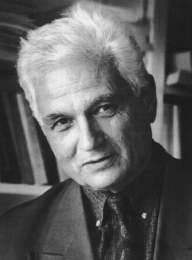 Jacques Derrida1930–2004 · PoststructuralismYears not recorded
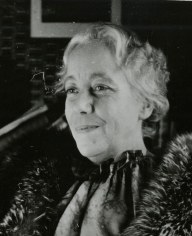 Karen Horney1885–1952 · PsychoanalysisYears not recorded
Where the circle leans
The average of its members on each scale where two or more of them have a position and they roughly agree. Left out because the members split: facts: subjective or objective (Jacques Derrida toward subjective, Hannah Arendt toward objective); separate from the highest, or one with it (Jacques Derrida toward being separate, John Cage toward all being one); God: exists, or not (Peter L. Berger toward God existing, John Dewey toward no God).
Side by side with you
Black dot: the circle, at the average of its members. Red ring: you.
On the maps
Each map puts two scales side by side. Each small square is a school, at its exact spot; its name shows where there is room. For the others, point at the square, or tap it once on a phone. Click a school, or tap it again, to open it.
Swipe sideways to see the whole chart.
Closest circles
Sources
Where the list of members comes from: the exact words on each page.
It was founded in 1919 as The New School for Social Research
wikipedia.orgset up the University in Exile in 1933 as a graduate division to serve as an academic haven for scholars escaping from Nazi Germany
wikipedia.orgIt was largely for Jewish scholars purged from teaching positions
wikipedia.orgPrivate university in New York City
wikipedia.orgDewey is one of the founders of The New School
wikipedia.orgStrauss secured a position at The New School, where, between 1938 and 1948, he worked in the political science faculty
wikipedia.orgtaught courses at the New School for Social Research in New York from 1941 to 1959
wikipedia.orgFrom 1967, she was a professor at The New School for Social Research
wikipedia.orgMaslow was a psychology professor at Cornell University, Brooklyn College, Brandeis University, The New School for Social Research
wikipedia.orgShe taught at The New School and Columbia University
wikipedia.orgBerger spent most of his career teaching at The New School for Social Research
wikipedia.orgFrom 1956 to 1961 Cage taught classes in experimental composition at The New School
wikipedia.org‘ Theodor Heuss Professor’ at The New School
wikipedia.orgStony Brook University, The New School for Social Research, and European Graduate School
wikipedia.orgHorney taught and trained psychoanalysts in New York City, working both at the New School for Social Research
wikipedia.org
And you, where do you stand?
Take the quiz and see your match with The New School for Social Research and the other circles.
Take the quiz