The two camps
Plato sought to tell sophists from philosophers: a sophist, he argued, made his living through deception, while a philosopher was a lover of wisdom who sought the truth. Protagoras, the first credited sophist, argued that “man is the measure of all things”. The sophists are known mainly through Plato, whose fairness to them is unclear.
In our words.
A. Socrates and Plato
Placed at the average of these 2 people.
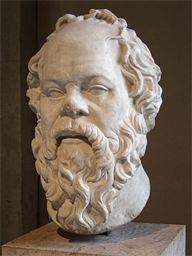 Socratesc. 470–399 BC
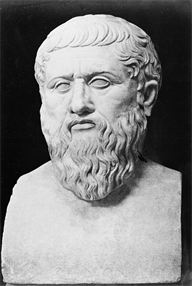 Platoc. 428–348 BC
B. The Sophists
Placed at the average of these 4 people. Their school on this site: Sophists.
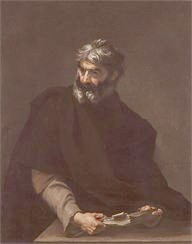 Protagorasc. 490–420 BC
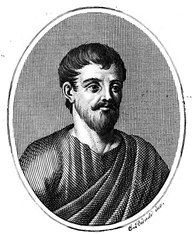 Gorgiasc. 483–375 BC
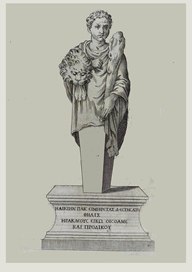 Prodicusc. 465–395 BC
Antiphonc. 480–411 BC
Where they part ways
Each scale both camps have a position on, the biggest gap first.
Socrates and PlatoThe Sophists
The big letters are each camp's average; the small dots are its members (filled: Socrates and Plato, open: The Sophists). A camp whose members are far apart on a scale is marked split.
Your side
Take the quiz to see which camp you would have joined.
Sources
Where each camp comes from: the exact words on each page.
Plato depicts Socrates as refuting sophists in several dialogues
wikipedia.orgProtagoras is generally regarded as the first of these professional sophists. Others include Gorgias, Prodicus
wikipedia.orgThe most important of the sophists include Protagoras of Abdera (ca. 490-420 BC), Gorgias of Leontini (ca. 485-380 BC)
plato.stanford.eduPlato sought to distinguish sophists from philosophers, arguing that a sophist was a person who made his living through deception, whereas a philosopher was a lover of wisdom who sought the truth
wikipedia.orgThe first credited sophist, Protagoras, argued that ‘man is the measure of all things’
wikipedia.orgAn ongoing debate is centered on the difference between the sophists, who charged for their services, and Socrates, who did not
wikipedia.orgSocrates’ attitude towards the sophists was not entirely oppositional
wikipedia.orgW. K. C. Guthrie classified Socrates as a sophist
wikipedia.orgAs only small portions of the sophists’ writings have survived, they are mainly known through the works of Plato
wikipedia.orgit is unclear how accurate or fair Plato’s representation of them may be; however, Protagoras and Prodicus are portrayed in a largely positive light in Protagoras
wikipedia.orgOthers include Gorgias, Prodicus, Hippias, Thrasymachus, Lycophron, Callicles, Antiphon
wikipedia.orgXenophon’s Memorabilia 1.6.1-.15 presents a dialogue between Antiphon the Sophist and Socrates
wikipedia.org
And you, where do you stand?
Take the quiz and see which side of Socrates and Plato or the Sophists you are on.
Take the quiz