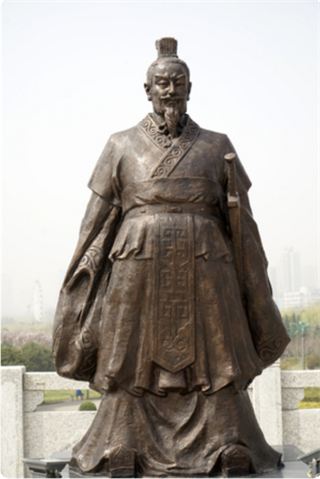
In one sentence
I trust clear laws, sure rewards and firm punishments over speeches about virtue, because people follow their own interest.
How someone from Legalism might sum up what they believe. Our summary, not a quotation.
Key thinkers
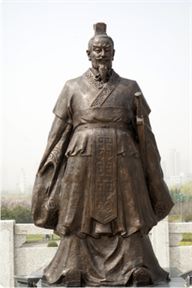 Han Feic. 280–233 BC · Han Feizi
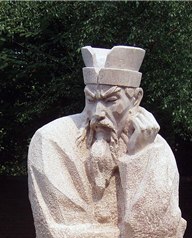 Shang Yangc. 390–338 BC · The Book of Lord Shang (attributed)
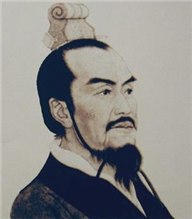 Li Sic. 280–208 BC · Memorial against private learning
Where it leans
About right, wrong and how to live. Positions are our estimates; philosophers argue about where many schools belong.
Most unusual position
81%On values (subjective or objective), it leans further toward subjective than 81% of the 135 schools on the map.
Middle of all schools on the map: 79 · This school: 35 (0 = subjective, 100 = objective)
Most typical position
Spirit or matterOn spirit or matter, it is nearest to the other schools on the map, though still not in the middle.
Middle of all schools on the map: 39 · This school: 75 (0 = Spirit, 100 = Matter)
Where it comes from
What came before Legalism and led into it, and what grew out of it. Only links that historians agree on.
Came before it
- 770-453 BC: breakdown of the Zhou order, then the Warring States from 453 BC
- 551-390 BC: Confucius and Mozi, the moralists the school argued against
Grew out of it
- 221 BC: the Qin unification of China
- 213 BC: Li Si's attack on private learning (burning of books)
- From 206/202 BC: decline under the Han; 81 BC Salt and Iron Debates, the last open defence
- 1973-1975: Maoist campaign 'Reappraise the fa thinkers, criticize Confucians'
One thing to practise
A real practice from Legalism, to try this week. Described in our words.
Match words to results (xingming)
Before you start a task, write down exactly what you promise to deliver. When it is done, compare the result with the promise, not with your effort or your good intentions. Reward yourself only when they match; if you did less, or wandered outside what you promised, count it as a miss.
From: Han Fei, 3rd century BC, as a ruler's check on officials (from Shen Buhai); here turned on oneself
Its strongest argument
The best case Legalism makes against people who see the world very differently, in two sentences. People whose furthest school this is see it on their result.
Almost everyone, rulers and officials included, is selfish, and no amount of moral teaching will change that. So stop waiting for good men: write clear rules everyone can read, apply them to everyone equally, even the ruler, and reward and punish exactly by results. To someone who trusts kindness, it says: rules that work with self-interest protect people better than hoping for virtue.
The argument in our own words, not a quotation.
Where it sits
On the maps
Each map puts two scales side by side. Each small square is a school, at its exact spot; its name shows where there is room. For the others, point at the square, or tap it once on a phone. The first, Reality & truth, puts spirit or matter across and subjective or objective up and down. Click a school, or tap it again, to open it.
Swipe sideways to see the whole chart.
Thinkers in this school
Pictured thinkers nearest this spot on the map
Neighbours on the map
The six schools closest to this one.
- SophistsAncient Greek teachers who were paid to teach persuasion and how to succeed; the best known, Protagoras, said "man is the measure of all things", making truth depend on the person.
- YangismYang Zhu's ancient Chinese view: look after your own life and nature first, and do not sacrifice it for the world.
- PsychoanalysisHidden wishes and conflicts in the unconscious mind drive what we feel and do, and talking freely can bring them to light so we can face them.
- Cyrenaic HedonismPleasure of the moment, especially bodily pleasure, is the only good; seize it now.
- AccelerationismCapitalism and technology form a runaway process that no one can stop or steer, so the only way forward is to push it further and faster.
- ExpressivismMoral statements express our attitudes and commitments rather than describe facts, yet can still be argued about.
And you, where do you stand?
Take the quiz and see your match with Legalism and the other 134 schools.
Take the quiz